
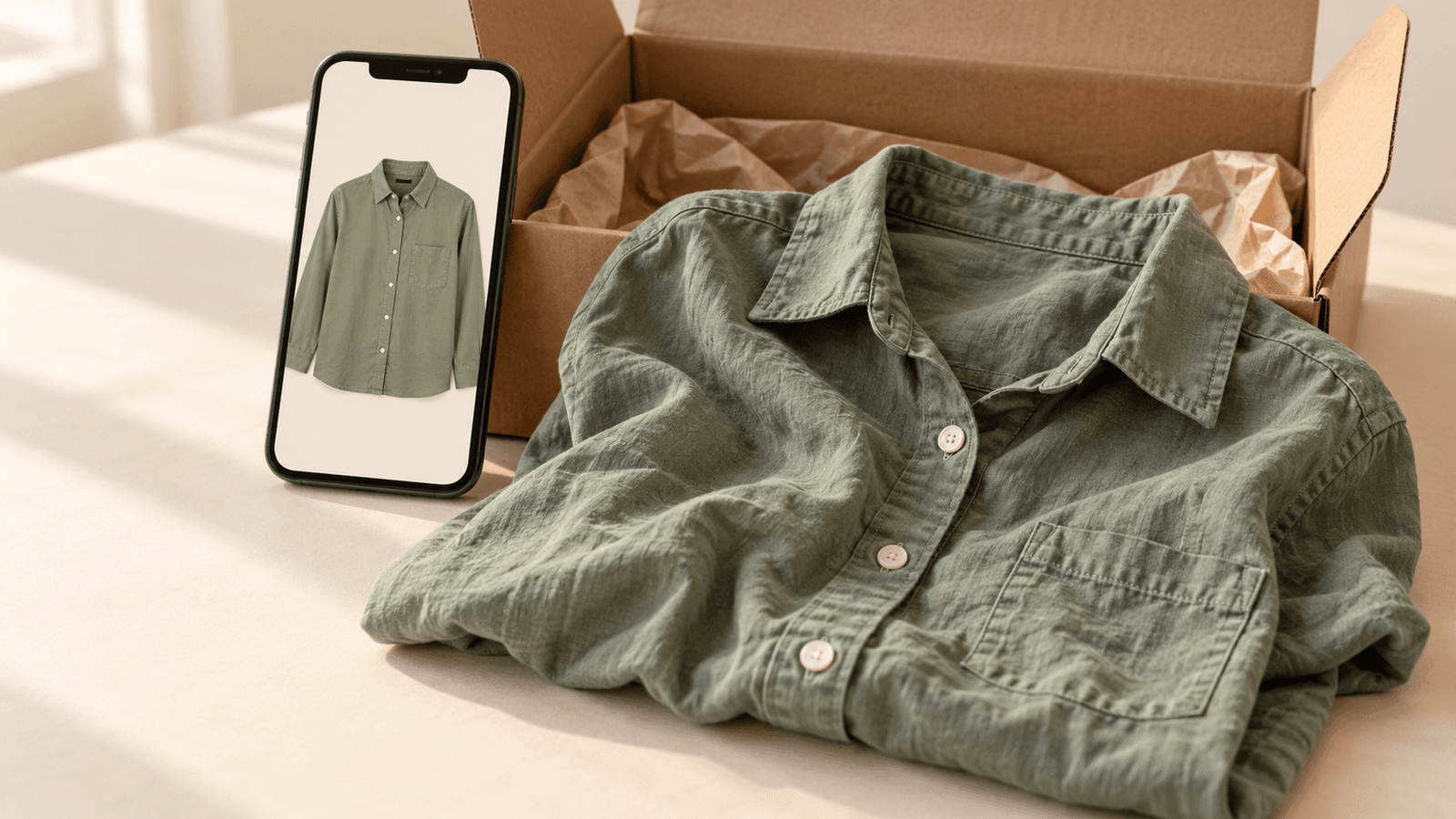
You’re shopping for a shirt. The photos look good, the price seems fair, and hundreds of people have left positive reviews. One says, “I wasn’t sure at first, but it was worth every penny.” You feel reassured and place your order. Reading about other people’s experiences usually helps us avoid a bad purchase. But what if those experiences never happened?
On October 30, 2026, Asia Business Daily reported complaints about AI-generated clothing ads and customer review photos on Chinese shopping platforms ahead of the November 11 sales.[1] The concern goes beyond images that look obviously fake. When something looks convincing, we have less reason to stop and check it.
So, do more positive reviews really mean more evidence? Usually, feedback from independent customers can give us a better picture of a product. But if dozens of reviews come from the same source, their numbers mean less than we might think. In September, Singapore’s Competition and Consumer Commission announced action against 45 businesses and a fake-review provider. The provider used AI to vary writing styles, add local details, and even include small imperfections to make reviews sound genuine.[2]
Still, a shop’s use of AI doesn’t automatically mean its products are poor. A small seller might use it to create a background or present an item without paying for a full photo shoot. The useful question is whether that image gives us a fair idea of what will arrive. There’s also a difference between a seller describing a product and someone claiming to have bought and used it.
Before buying, I think it helps to ask: if I put the star rating and praise aside, what else supports this choice? Clear material specifications, detailed product photos, return terms, and specific answers from the seller can give us more to work with. Vietnam’s competition authority also advises shoppers to cross-check information and review transaction terms rather than relying on attractive advertising alone.[3]
I’d still use reviews as part of a buying decision, but I’d be more cautious when every comment says exactly what I want to hear. I’d feel more confident with consistent product details and independent feedback that I could cross-check. Thinking about your most recent purchase, what reassured you most: information you checked yourself, or the feeling that everyone else approved?
---
By Huỳnh Thanh Tân · thanhtanmit.com
Notes and sourcesLink to this heading
[1] Asia Business Daily, report on AI-generated shopping ads and customer review photos, October 30, 2026. The source for consumer complaints ahead of the November 11 shopping sales.
[2] Competition and Consumer Commission of Singapore, *CCS Takes Action Against 45 Businesses and a Fake Review Provider for Fabricating Online Reviews*, September 30, 2026. Paragraphs 6–7 describe how AI was used to make fabricated reviews resemble genuine customer experiences.
[3] Vietnam Competition Commission, consumer protection recommendations concerning AI-enabled fraud, May 13, 2026. The source for advice on checking sellers, product information, reviews, and transaction terms.